
Hire employees and contractors in Thailand
Outstaffer’s guide to employing in Thailand.
Facts & stats
The Kingdom of Thailand is a constitutional monarchy with a parliamentary democracy that’s recorded over a thousand years of rich cultural history.
Famous for its monasteries, temples, floating markets, some of the world’s best street food, and unparalleled biodiversity, Thailand boasts even more economically, with Southeast Asia’s second-largest economy, advanced human development rankings, a fully diversified economy.
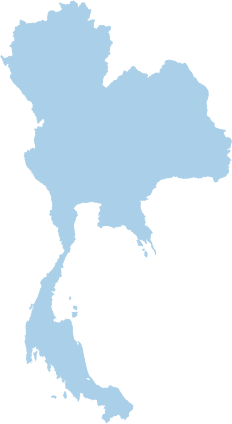
- Capital city
- Bangkok
- Currency
- Thai baht (฿, THB)
- Official Languages
- Thai
- Population size
- 66,558,935 (est. 2019)
- Ease of doing business
- Medium
- Cost of living index
- 49.32 (2021)
- Payroll frequency
- Bi-monthly
- VAT - standard rate
- 7%
- GDP - real growth rate
- 2.4 (2019)
Tech Talent in Thailand
Thailand is steadily rising as a hub for tech talent in Southeast Asia. The country hosts a growing community of skilled software developers, engineers, and IT professionals. Thai universities are producing graduates with strong technical knowledge, and cities like Bangkok and Chiang Mai are witnessing a surge in tech startups and innovation centers. Thailand's competitive cost of living and a burgeoning startup culture make it an appealing destination for tech companies and entrepreneurs. Thai tech talent is known for its creativity and adaptability, contributing to Thailand's increasing presence in the regional and global tech landscape.
Grow your team in Thailand with Outstaffer
You can pay contractors now in Thailand with Outstaffer. Note that we are busy building our own entity in Thailand to provide you with the best possible employment solutions for your employees, but our employer of record service is not yet live in this country.
To employ in Thailand, companies must own a local legal entity in the country or work with a global employment solution. Developing the processes required to manage payroll, benefits, taxes, and onboarding in countries like Thailand can get complicated fast, especially without localized expertise.
If you're looking to start hiring in a country like this, partnering with a global employment solution like Outstaffer makes it easy for your company to employ workers quickly, cost-effectively, and in full compliance with all local legislation.
In the countries where we do offer our EOR services, Outstaffer takes on the responsibility and legal risks of international employment so you can focus on hiring great talent and growing your business.
Minimum wage
The Thai minimum wage is fixed regionally, ranging from 331 THB to 336 THB per day ($10.13 – 10.28).
Payroll cycle
All employee payments are made bi-monthly by Outstaffer.com on your behalf and passed through to you.
Onboarding time
We can help you get a new employee started in Thailand fast. The minimum onboarding time we need is only 14 working days.
Our team ensures your employees are onboarded and paid as quickly as possible while keeping your business compliant with all local employment legislation. The minimum onboarding time begins after the employee submits all required information onto the Outstaffer platform. The onboarding timeline is also dependent upon registration with local authorities.
For all non-nationals of the country of employment, the Right to Work assessment (if applicable) will add three extra days to the total time to onboard. There may be extra time required if we need to follow-up on the right to work assessment.
Please note, payroll cut-off dates can impact the actual first day of employment. We have a payroll cut-off date of the 10th of the month unless otherwise specified.
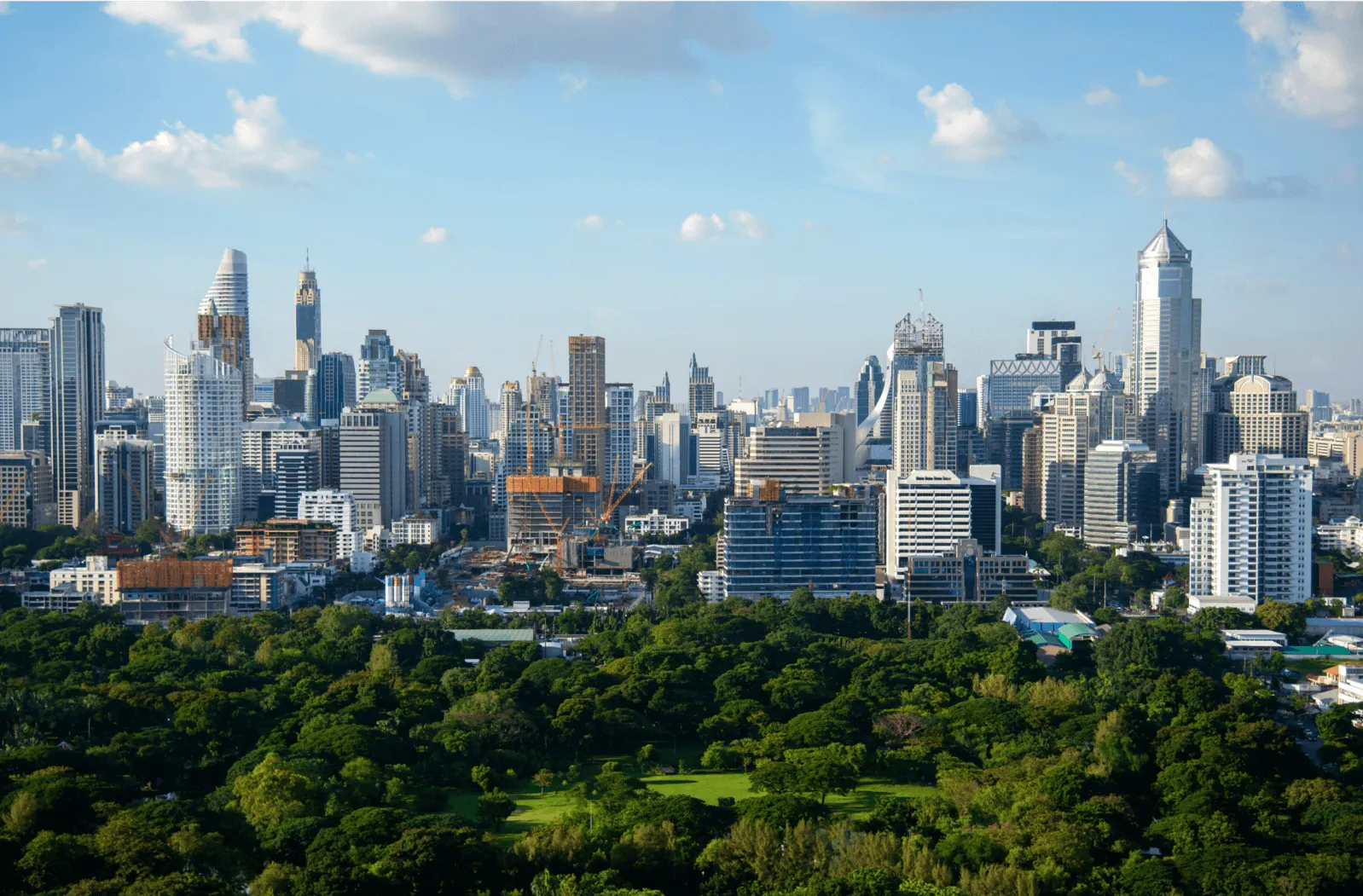
Employing in Thailand
Thailand’s Labor Protection Act of 1998 spells out provisions for employee protections and workers’ rights designed to fight inequality and safeguard Thailand’s workforce of 38.4 million. Employees in Thailand enjoy protections against discrimination based on age, religion, sexual orientation, gender expression, and race.
Common questions that could come up during the hiring process include minimum wage, overtime rates, and guaranteed paid time off. We can help you offer a complete, competitive, and compliant benefits package to your employees in Thailand.
Risks of misclassification
Public holidays
Jan 1
New Year's Day
Feb 12
Additional special holiday
Feb 26
Māgha Pūjā
Apr 6
Chakri Memorial Day
Apr 13-15
Songkran
Apr 14
Family Day
May 3
Substitution for National Labour Day
May 4
Coronation Day
May 26
Wisakha Bucha Day
Jun 3
H.M Queen Suthida Bajrasudhabimalalakshana's Birthday
Jul 26
Substitution for Asarnha Bucha Day
Jul 28
H.M. King Maha Vajiralongkorn Phra Vajiraklaochaoyuhua’s Birthday
Aug 12
H.M. Queen Sirikit The Queen Mother’s Birthday / Mother’s Day
Sep 24
Additional special holiday
Oct 13
H.M. King Bhumibol Adulyadej the Great Memorial Day
Oct 22
Substitution for Chulalongkorn Day
Dec 6
Substitution for H.M. King Bhumibol Adulyadej The Great’s Birthday/ National Day / Father’s Day
Dec 10
Constitution Day
Dec 31
New Year’s Eve
Competitive benefits package in Thailand
Beyond providing your employees with all statutory benefits in Thailand, Outstaffer can help you create a custom benefits package for your international team. A competitive benefits package may include perks such as:
 Private health insurance
 Supplemental dental insurance
 Supplementary vision insurance
 Supplemental maternity insurance
 Supplemental screening & vaccine insurance
 Additional paid holidays
 Flexible work schedule
 Employee engagement funds
Taxes in Thailand
Learn how employment taxes and statutory fees affect your payroll and your employees’ paychecks in Thailand.
Employer
- 3% - Pension contribution
- 1.5% - Health insurance
- 0.5% - Unemployment insurance
- 0.2% - 1% - Work injury insurance contribution
Employee
- 3% - Pension contribution
- 1.5% - Health insurance
- 0.5% - Unemployment insurance
Personal income tax rates
- 0% - 0 to 150,000 THB
- 5% - 150,001 to 300,000 THB
- 10% - 300,001 to 500,000 THB
- 15% - 500,001 to 750,000 THB
- 20% - 750,001 to 1,000,000 THB
- 25% - 1,000,001 to 2,000,000 THB
- 30% - 2,000,001 to 5,000,000 THB
- 35% - Over 5,000,000 THB
Types of leave
Paid time off
Employees are entitled to 6 days off annually after working an entire year for an employer, or a prorated number of days for the duration worked, i.e., roughly 1 day per 2 months worked.
Public holidays
There are 16 public holidays.
Sick leave
Outstaffer must allow an employee to take sick leave for as long as the sickness actually lasts and must pay the employee their wage for a day of sick leave at a rate equal to the wage for a normal working day for the entire period of time taken as sick leave, but not exceeding 30 working days each year.
For medical leave of three working days or more, the employer may require the employee to produce a medical certificate from a doctor or from a government medical facility. When the employee is unable to produce a medical certificate from a doctor of first class modern medicine or from a government medical facility, the employee shall give an explanation.
Maternity leave
Female employees are entitled to 98 days of maternity leave, with the first 45 days paid for by the employer, and the rest compensated by the government social security fund.
Pregnant employees can request assignment to less strenuous duties to help maintain their health.
Paternity/Parental leave
Although government employees are entitled to 15 days of paternity leave annually, there are no provisions under Thai employment law for private employees to take time off work for parental or paternity leave.
Education leave
Employees can take unpaid time off work to undergo training related to their work, or to undergo government-mandated skills assessment programs.
Other leave
- Personal business leave: Employees are entitled to three days of business leave annually to enable them to attend to their personal affairs.
- Sterilization leave: Employees can request paid time off to undergo sterilization, if the procedure is certifiably required by a medical practitioner.
- Military service leave: Employees can take up to 60 days off for military exercises, compensated at the basic pay rate.
Employment termination
Termination process
Employee contracts can be terminated if a just cause is established, such as dishonesty, negligence, fraud, or any other work-related offences, without any obligation to make severance payments.
Employees who’ve been employed for less than 120 days can be terminated without cause or any obligation to make severance payments.
Notice period
The employer must ordinarily give advance notice of at least one full payment cycle (i.e 30 days), which is legally required for indefinite contracts; but no more than 3 months, unless the contract/ work rules provide for a longer period.
Severance pay
If an employee is terminated without just cause are entitled to a severance package equivalent to their tenure with the employer.
- 120 days – less than one year: 30 days’ pay
- 1 – less than 3 years: 90 days’ pay
- 3 – less than 6 years: 180 days’ pay
- 6 – less than 10 years: 240 days’ pay
- 10 – less than 20 years: 300 days’ pay
- 20 years and above: 400 days’ pay
Get started with Outstaffer in three easy steps

01. Book a call or sign up
Book a call with one of our Solutions Managers or create your free account. It’s quick, easy, and you’ll be ready to get started in minutes.
02. Add your people
From new hires to your existing team, onboard them seamlessly with our simple-to-use self-serve platform
03. Dedicated onboarding
Our dedicated team is here to guide you every step of the way ensuring you’re confident, supported, and set up for success.